

Top Pop Culture Moments That Changed Merch Forever
Ever wonder how we went from basic concert programs to dropping serious cash on limited-edition hoodies and vintage band tees? The world of merchandise has exploded into a multi-billion-dollar industry, and it didn't happen overnight. A handful of game-changing pop culture moments completely transformed how we think about fan gear, turning simple souvenirs into must-have collectibles and fashion statements.
Let's dive into the moments that changed merch forever – and why your favorite band t-shirt or movie poster means so much more than you might think.
The Unexpected Beginning: When Politics Met Merch
Believe it or not, merchandise culture started way before your favorite band was even a twinkle in someone's eye. Back in the late 1700s, George Washington's commemorative coins became some of the first official "fan gear." These weren't just currency – they were collectible items that let people show support for America's first president.
Fast forward to the 1930s, and we see the next major leap. Raymond Molinier, a French artist, completely revolutionized Paris Opera programs. Instead of boring black-and-white pamphlets, he created stunning illustrated collectibles with intricate designs. Suddenly, opera-goers weren't just buying tickets – they were buying beautiful mementos that became treasured keepsakes.
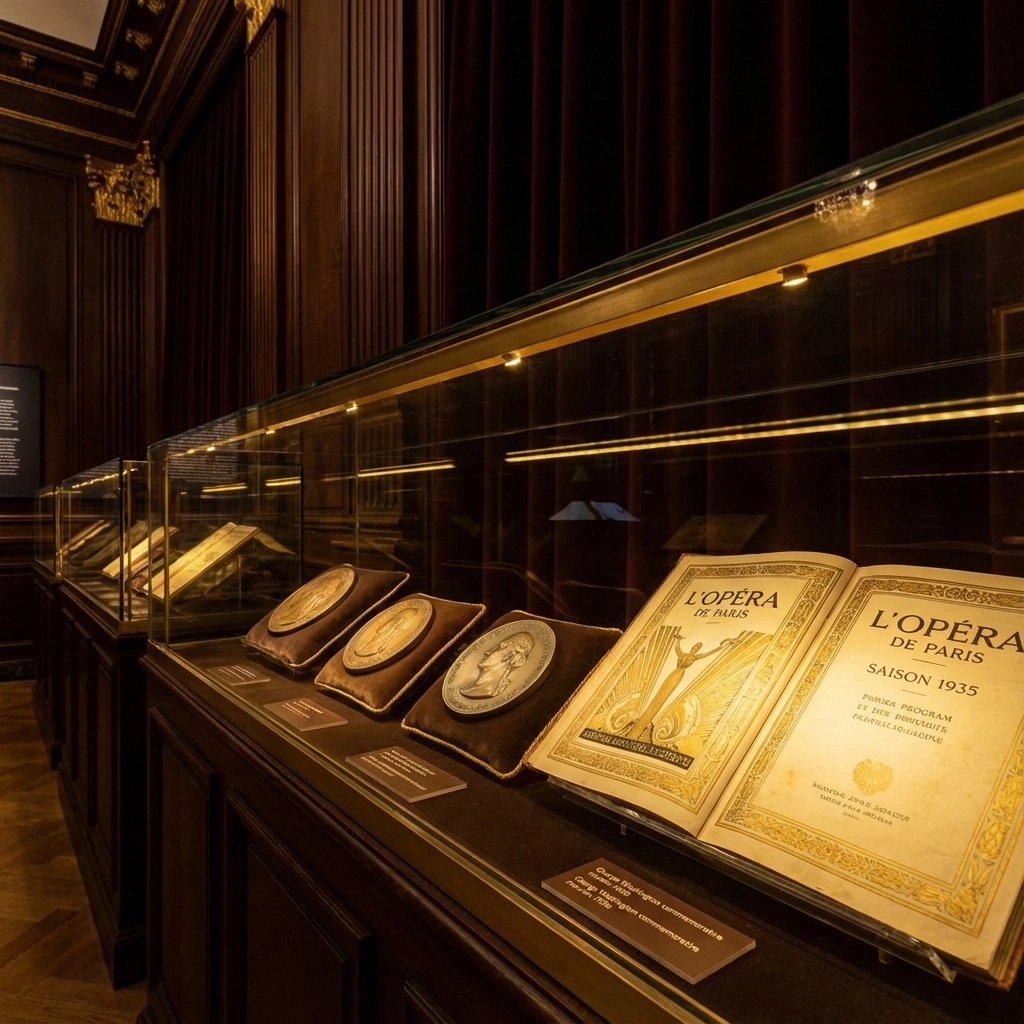
These early examples proved something crucial: people want tangible connections to the culture they love. Whether it's a president, an opera, or (spoiler alert) a space opera, fans are willing to pay for physical reminders of experiences that move them.
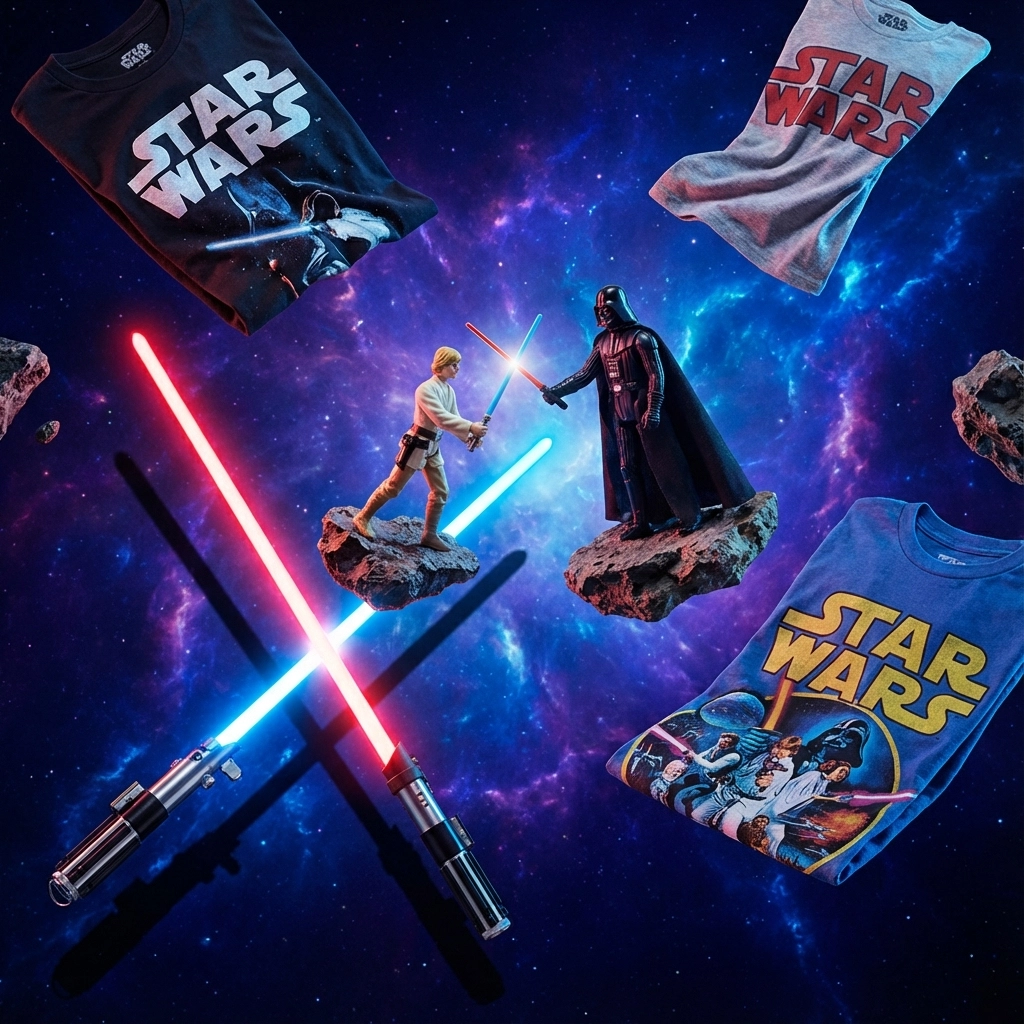
The Star Wars Effect: How One Deal Changed Everything
Here's where things get really interesting. In the 1970s, George Lucas made what seemed like a crazy decision – he gave up part of his director's fee for Star Wars to keep the merchandise rights. At the time, movie merch was basically non-existent, so studio executives thought he was nuts.
Boy, were they wrong.
Star Wars merchandise exploded into a phenomenon that's still going strong today. Lightsabers, action figures, t-shirts, lunchboxes – you name it, they made it. Lucas didn't just create a movie franchise; he created a template for how entertainment could generate revenue long after people left the theater.
This moment proved that merchandise could be as iconic as the source material itself. A Darth Vader t-shirt isn't just clothing – it's a statement about what you love and who you are. Sound familiar? That's because every piece of film merchandise today follows this same principle.
Rock Stars Discover the Merch Goldmine
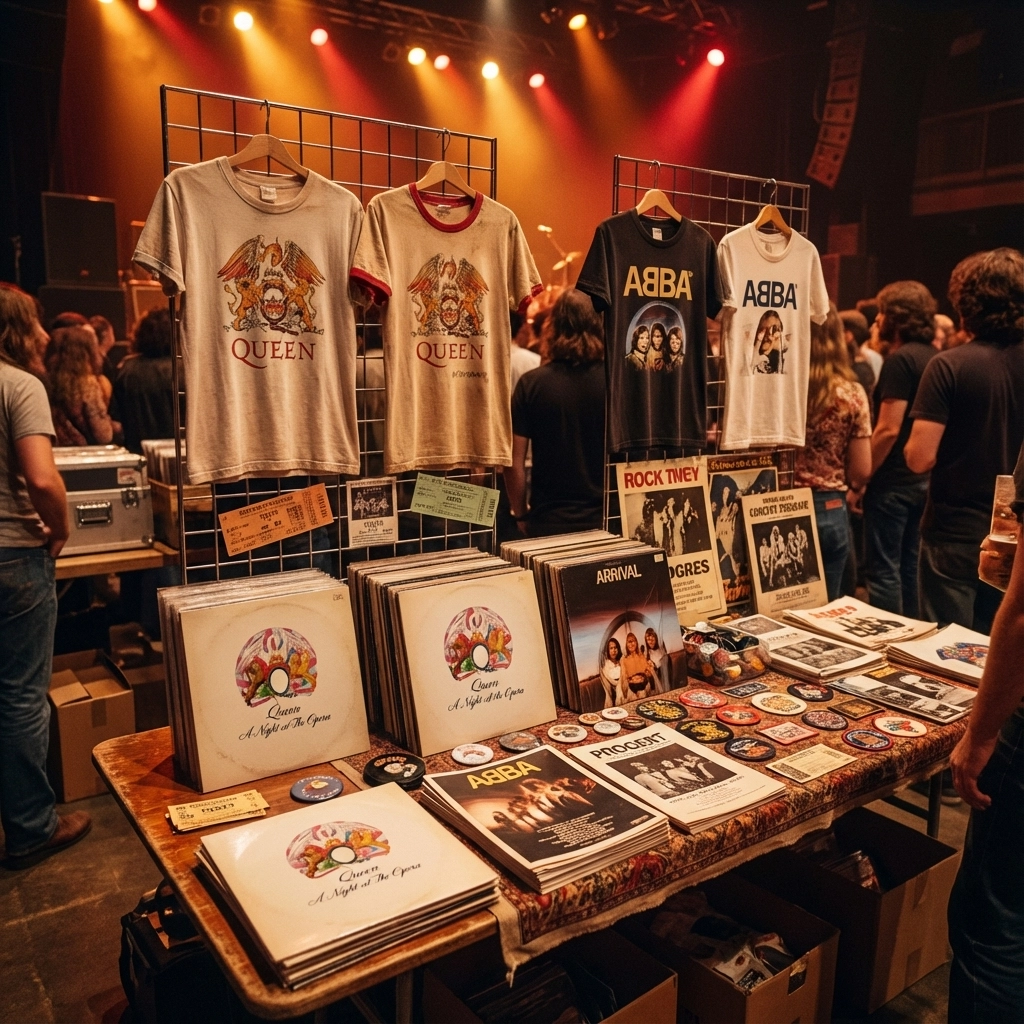
While Lucas was revolutionizing movie merch, musicians were having their own breakthrough moment. Bands like Queen, ABBA, and Elton John realized that concert merchandise could be way more than just tour programs and basic tees.
These artists started treating merch tables like boutique shops. Suddenly, wearing a Queen shirt wasn't just about showing you went to a concert – it was about broadcasting your musical identity to the world. The merchandise became part of the performance itself, extending the experience beyond the venue and into daily life.
This trend exploded in the following decades. Today's artists like Kanye West and Billie Eilish have turned merchandise into high-fashion statements. When Billie drops a new merch line, it sells out faster than concert tickets. That's the power of understanding that fans don't just want music – they want to wear their fandom.
When Celebrities Became Walking Billboards
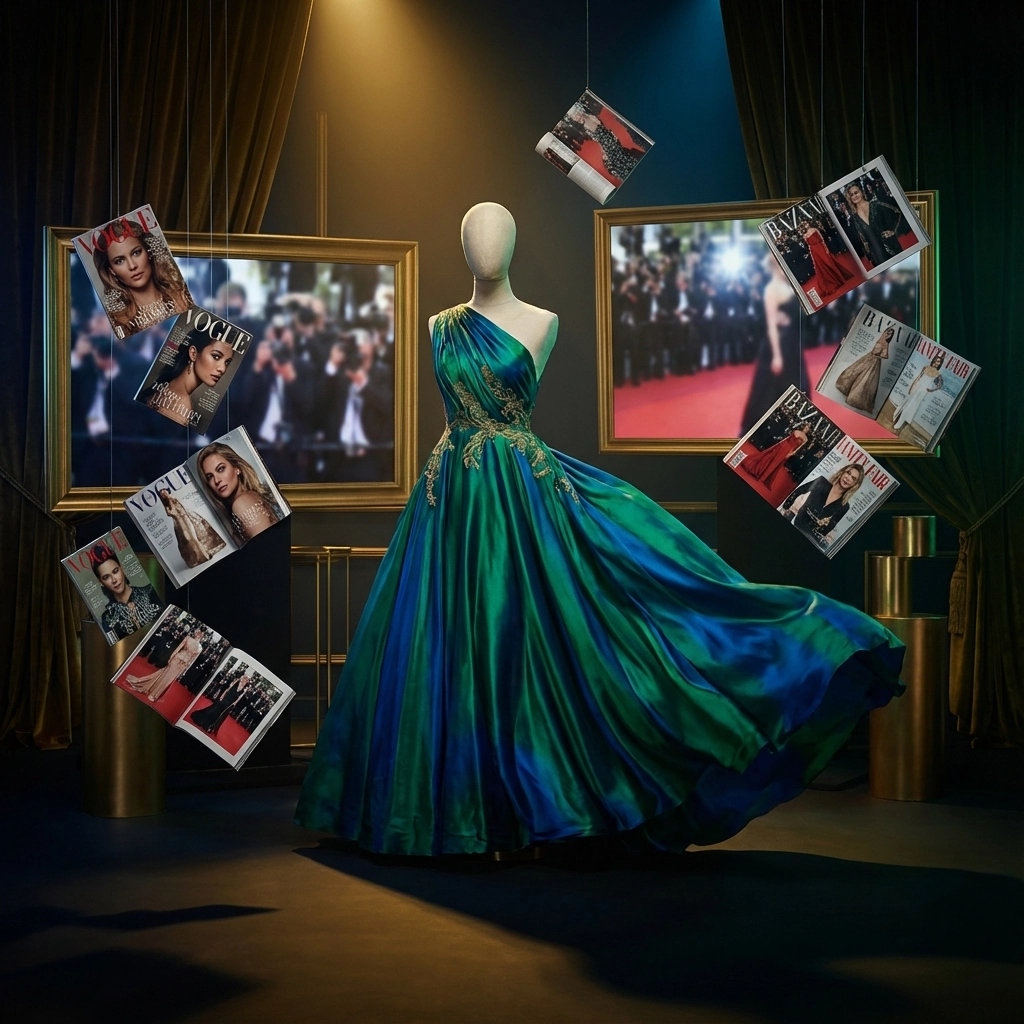
The late 20th and early 21st centuries brought us another game-changer: the celebrity fashion effect. This is when stars realized that simply wearing something could create massive demand for merchandise.
Take Audrey Hepburn's Givenchy dress at the 1954 Oscars. That single appearance influenced fashion trends throughout the entire decade. Fast forward to Halle Berry's 2002 Elie Saab gown, and we see the same pattern – one iconic moment creating demand for similar styles across the fashion industry.
But perhaps the most modern example is the Kate Middleton effect. When the Duchess of Cambridge wore a Tory Burch dress to a public event in 2014, the garment sold out completely across all platforms. This wasn't planned merchandise – it was the power of celebrity influence creating instant demand.
This phenomenon taught the industry that merchandise doesn't always have to be officially branded. Sometimes the most powerful merch moments happen when celebrities organically choose to wear or use products, creating authentic demand that money can't buy.
TV Shows Join the Merch Revolution
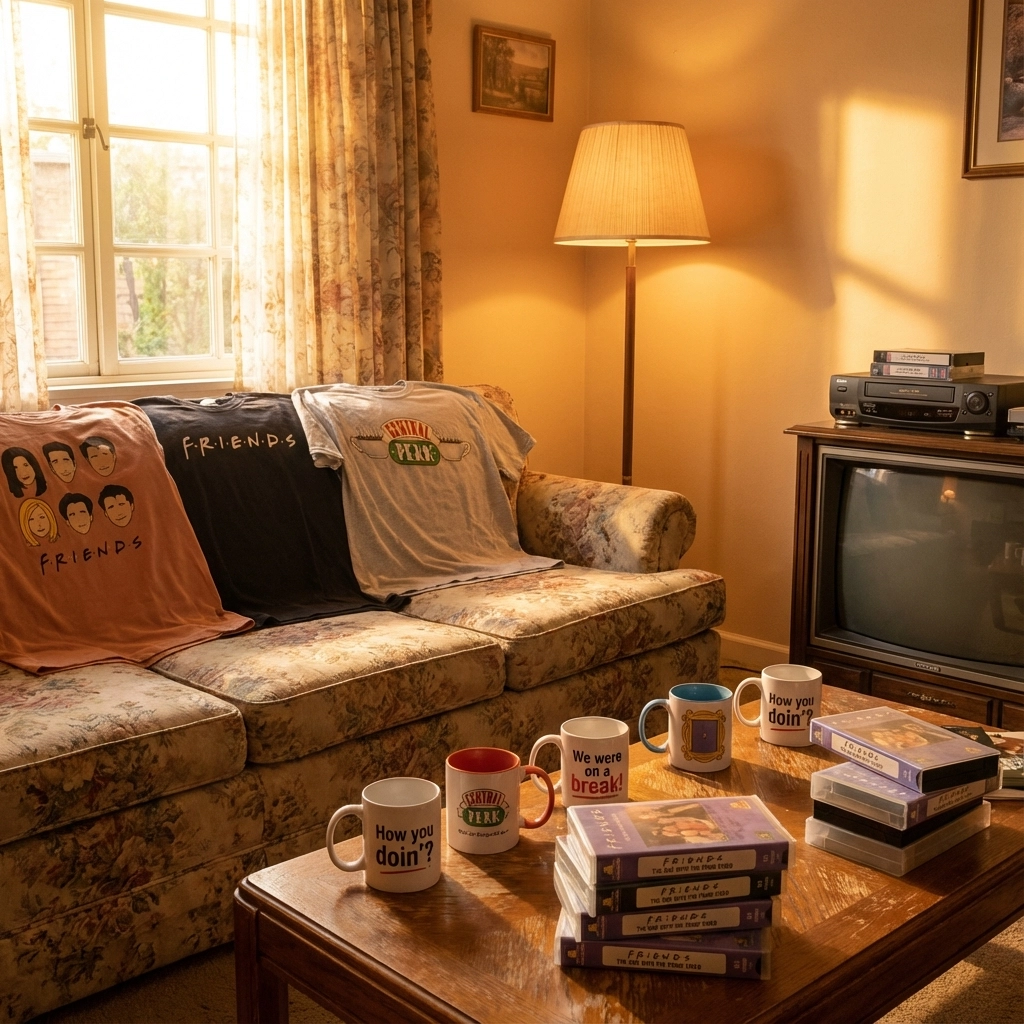
The 1990s and 2000s saw television finally catch up to music and movies in the merchandise game. Shows like "Friends" proved that TV merchandise could be just as powerful as any other form of entertainment merch.
Friends-branded coffee mugs, t-shirts with iconic quotes, and replica items from the show became conversation starters in offices and coffee shops worldwide. This was different from movie merchandise because TV shows had ongoing relationships with audiences. While movie merch captured a moment, TV merch became part of people's daily routines.
This period embedded merchandise into everyday life in a completely new way. Your favorite show wasn't just something you watched – it was something you could wear to work, drink coffee from, or display in your home. Merchandise became a way to signal your personality and interests to the world, even when you weren't actively consuming the content.
The Modern Merch Explosion
Today's merchandise landscape would be unrecognizable to those early opera program collectors. Social media has amplified every trend, limited-edition drops create artificial scarcity that drives demand through the roof, and fans are more sophisticated about collecting than ever before.
Modern artists understand that merchandise isn't just additional revenue – it's essential branding. When you wear a vintage band t-shirt or rock a hoodie from your favorite movie, you're not just showing what you like. You're participating in a cultural conversation that started with George Washington's coins and evolved into today's complex fashion-meets-fandom ecosystem.
The rise of official band merchandise has created an entirely new category of fashion. Vintage band tees can sell for hundreds of dollars, limited-edition drops create massive online queues, and wearing the right merch has become as important as listening to the right music.
What These Moments Taught Us
Looking back at these game-changing moments, several patterns emerge. First, successful merchandise always creates emotional connections. Whether it's Lucas understanding that fans wanted to bring the Force home or bands realizing that fans wanted to wear their musical identity, the best merch moments happen when creators understand what their audiences actually want.
Second, scarcity drives demand. From limited opera programs to sold-out celebrity fashion moments, the most successful merchandise often feels exclusive or hard to get. This creates not just sales, but cultural cachet that makes owning the merchandise feel special.
Finally, merchandise works best when it extends the experience rather than just commemorating it. The most successful merch doesn't just remind you of something you loved – it lets you carry that love into your daily life.
The Future of Fan Culture
These pop culture moments didn't just change merchandise – they changed how we express our identities through the things we choose to wear and own. Every time you put on a band t-shirt, movie hoodie, or show-themed accessory, you're participating in a cultural tradition that spans centuries.
The next time you're browsing through vintage tees or deciding whether to grab that limited-edition drop, remember: you're not just buying merchandise. You're buying into a cultural movement that started with commemorative coins and transformed into one of the most powerful forms of self-expression in modern society.
What started as simple souvenirs has become the language we use to tell the world who we are and what we love. And honestly? That's pretty incredible.