

Why Band Merch Sales Matter (and Keep Your Favourite Bands Going)
Picture this: you're at a gig, the band just finished their set, and the lead singer grabs the mic one more time. "Hey everyone, just so you know – buying our merch literally helps us pay rent. Seriously, it keeps us going." This exact scene played out recently at a Witch Fever show, and it perfectly captures something most music fans don't fully grasp: band merchandise isn't just cool stuff to own – it's often the difference between your favourite artists surviving or giving up music altogether.
The reality is that for most bands, especially smaller and up-and-coming acts, selling t-shirts, hoodies, and other merch isn't a side hustle. It's their main source of income. And when you understand the brutal economics of the modern music industry, you'll see why that band tee you're eyeing up isn't just a fashion statement – it's a lifeline.
The Streaming Reality Check
Let's start with some numbers that'll probably shock you. When you buy a £25 band t-shirt, the artist typically keeps around £17-18 after production costs. Compare that to streaming: that same artist would need roughly 13,000 Spotify plays to earn the same amount. Think about that for a second. One t-shirt purchase equals 13,000 streams.
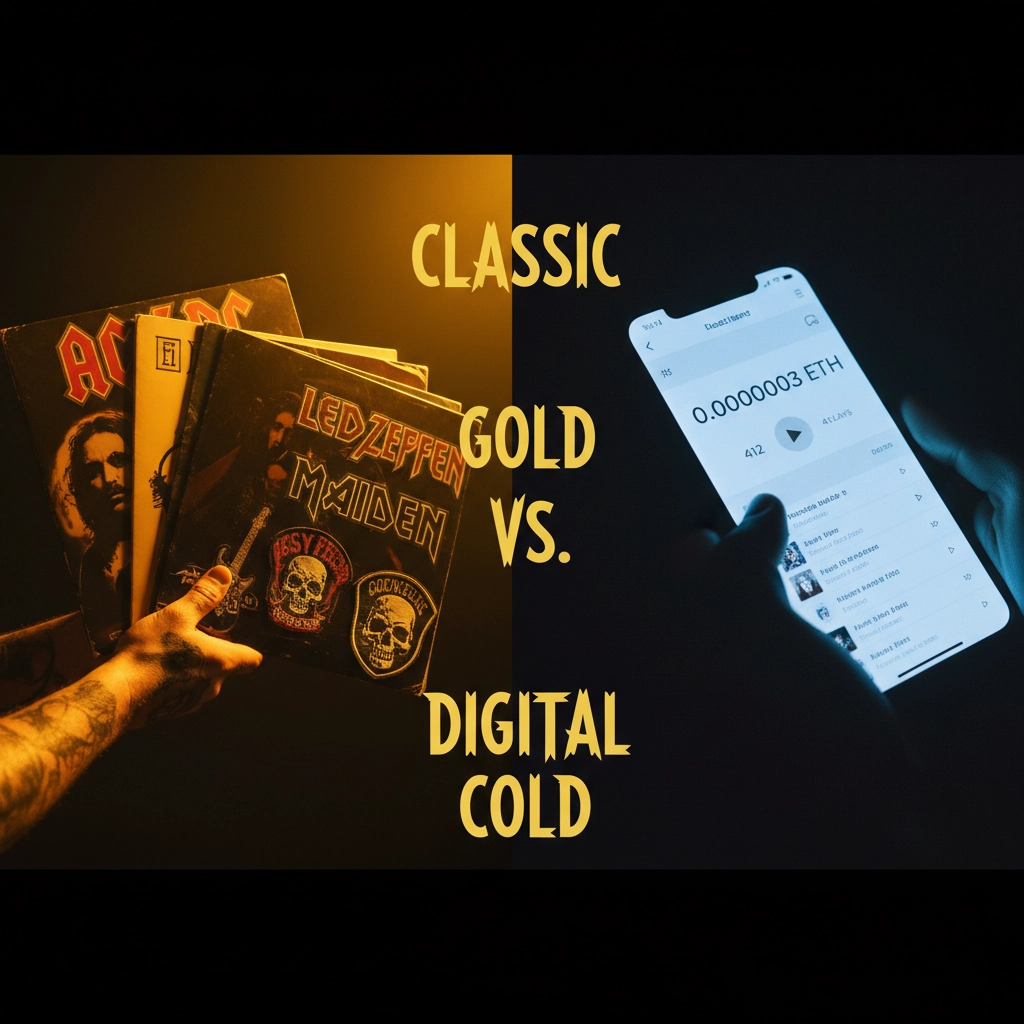
For context, 13,000 streams might sound like a lot, but for many artists, that could represent weeks or even months of streaming activity. Meanwhile, you can buy that t-shirt in 30 seconds at a gig or online. The math is pretty stark – merch sales give artists immediate, substantial income that streaming simply can't match.
This disparity explains why you'll see bands of all sizes putting serious effort into their merchandise. It's not vanity or trying to cash in on fans – it's survival. When Witch Fever mentioned that merch sales help cover their rent, they weren't being dramatic. They were stating a fact that applies to thousands of working musicians across the UK and beyond.
Why Official Band Merchandise Matters
Here's where things get interesting for us as fans. Not all band merch is created equal, and where you buy it makes a massive difference to the artists you want to support. When you purchase official music merchandise directly from the band (especially at the venue merch table), the biggest chunk goes to them. Buying from authorized, licensed retailers (like Rock Universe) still supports the artist via royalties, but the percentage they receive is generally smaller than selling direct. For bands like Witch Fever – and loads of smaller, up-and-coming acts – that difference can be the petrol money and meal that gets them to the next gig.
Compare this to those bootleg band shirts you might see at markets or unofficial online stores. Zero pounds from those sales reach the artists. Worse still, poor-quality knockoffs can actually damage a band's reputation when fans associate their brand with cheap, poorly-made products.
Supporting small bands through official merchandise purchases is one of the most direct ways to ensure they can keep creating music. It's more impactful than streaming their songs, more reliable than hoping they'll get radio play, and more immediate than waiting for them to tour near you.
The Emotional Connection Factor
But let's be honest – we don't just buy band merch out of charity. There's something special about wearing a t-shirt from your favourite band or having their poster on your wall. It's about identity, belonging, and carrying a piece of the music that moves you.
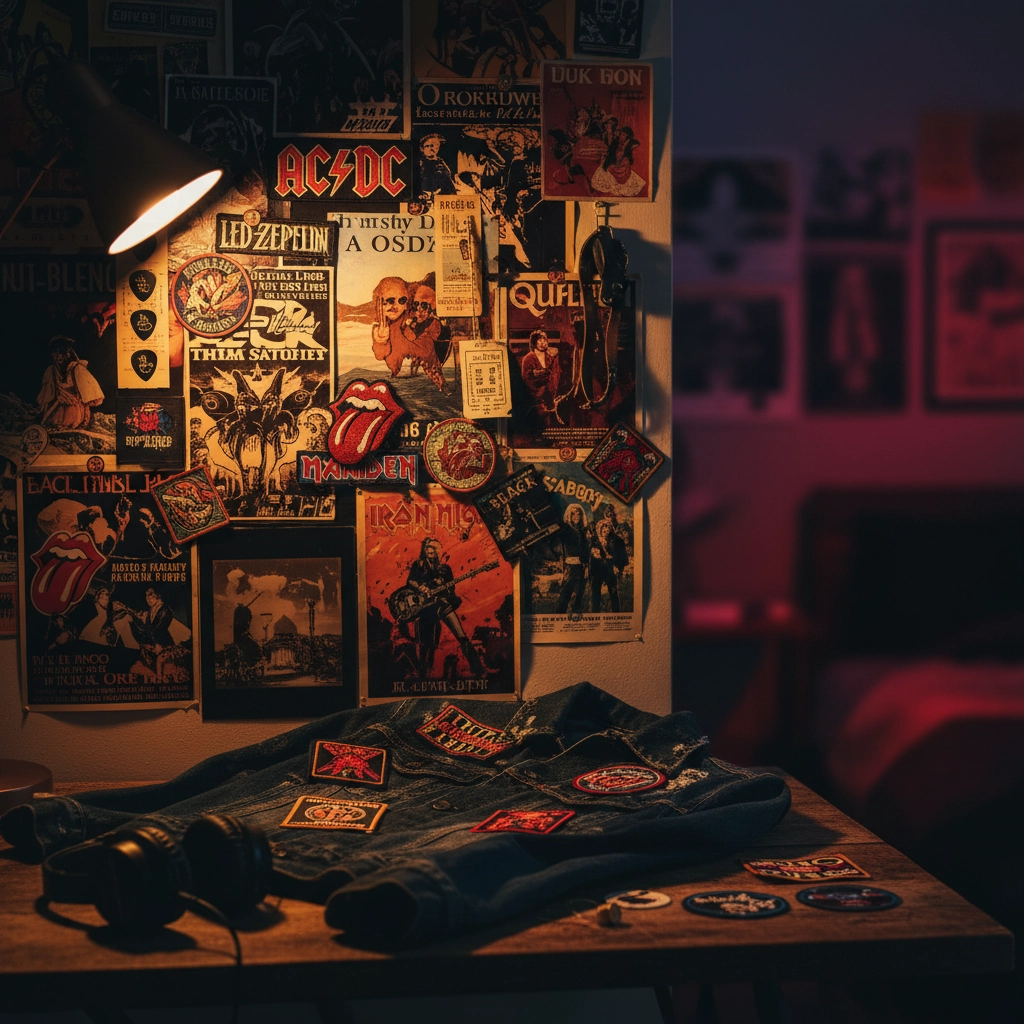
When you wear that Witch Fever hoodie or sport a patch from your favourite metal band, you're not just advertising – you're connecting with a community. You're likely to strike up conversations with fellow fans, discover new music through recommendations, and feel part of something bigger than yourself.
This emotional connection is exactly why merchandise works so well for artists. Fans don't just want to hear the music; they want to be part of the world the band creates. They want tangible reminders of incredible gig experiences, ways to show their personality, and items that spark memories every time they see them.
The Tour Economics
Here's something that might surprise you: for many bands, the merch table at gigs is more important than the ticket sales. Venues typically take a cut of ticket revenue, sometimes as much as 20-30%. But that merch table? That's usually 100% the band's revenue stream (minus the cost of stock).
When bands tour, merch sales often determine whether the tour breaks even or loses money. Those t-shirts, vinyl records, and patches sold after the show directly fund the next leg of the tour, the petrol to get to the next city, and yes – the rent back home.
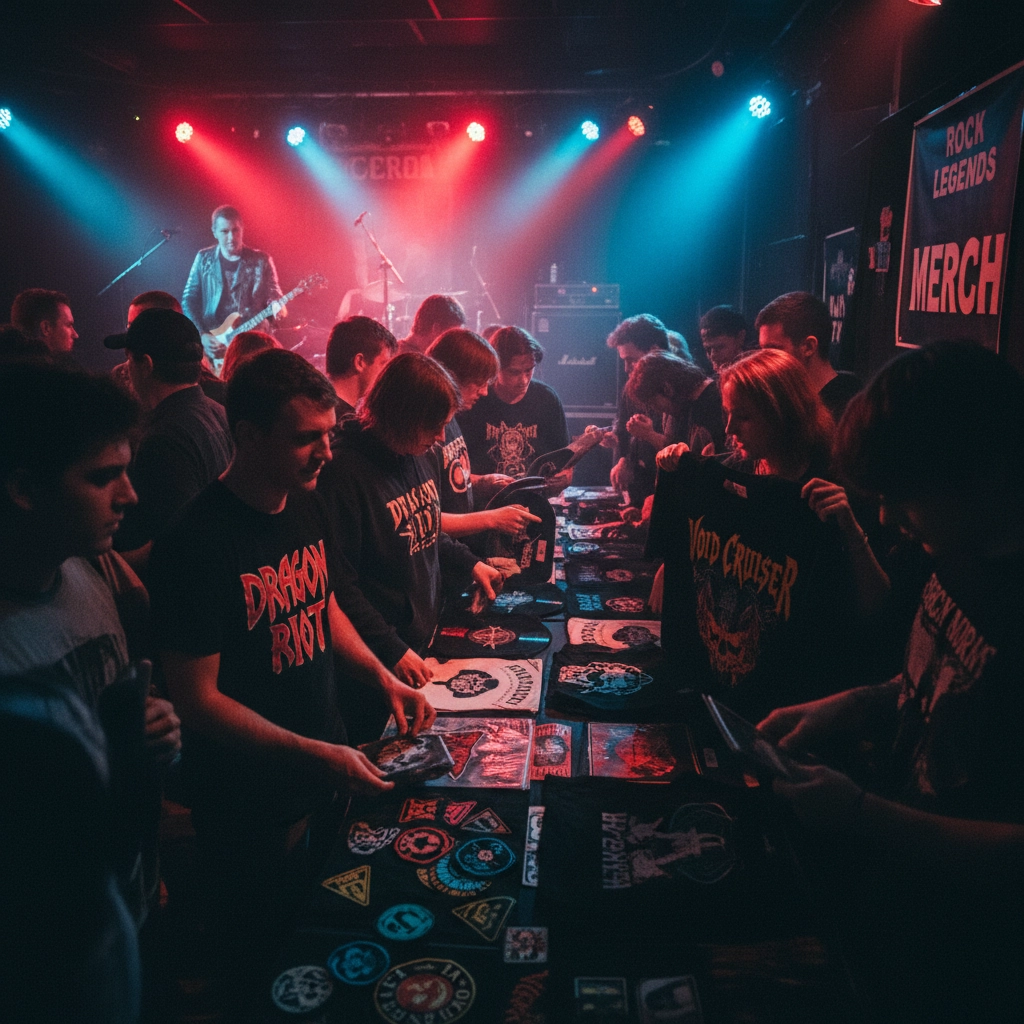
This creates what industry insiders call a "flywheel effect." Better merch sales fund better tours, which create more fans, who buy more merch, which funds even better tours. It's a cycle that can genuinely make or break an artist's career trajectory.
The Digital Advantage
The internet has revolutionized band merchandise in ways that particularly benefit smaller artists. Bands no longer need major label distribution to reach fans worldwide. They can set up online stores, use print-on-demand services, and connect directly with supporters anywhere.
This digital revolution means that supporting small bands through merchandise purchases has never been easier or more impactful. When you order that band hoodie online, you're often buying directly from the artists themselves, ensuring maximum revenue reaches the people making the music you love.
How to Make Your Merch Purchases Count
So how can you make sure your band merchandise purchases have the biggest impact? Here are some practical tips:
Buy official merchandise from the band's website, at gigs, or through authorized retailers. If you're not sure whether a store is official, check the band's social media for recommended stockists.
Consider the timing – buying merch around album releases or before tours can provide crucial cash flow when bands need it most.
Think beyond t-shirts – while band tees are classic, many artists offer unique items like enamel pins, tote bags, or limited edition vinyl that can be just as meaningful and often have better profit margins.
Shop local when possible – if there's a record shop or alternative clothing store in your area that stocks official band merchandise, supporting them helps both the artists and local businesses.
Where to Find Quality Band Merch
Finding authentic, high-quality band merchandise can sometimes be challenging, especially for smaller or newer bands. That's where specialized retailers come in. At Rock Universe, we focus on stocking official band merchandise from both established and up-and-coming artists, ensuring that your purchase supports the musicians directly while getting you genuine, quality products.
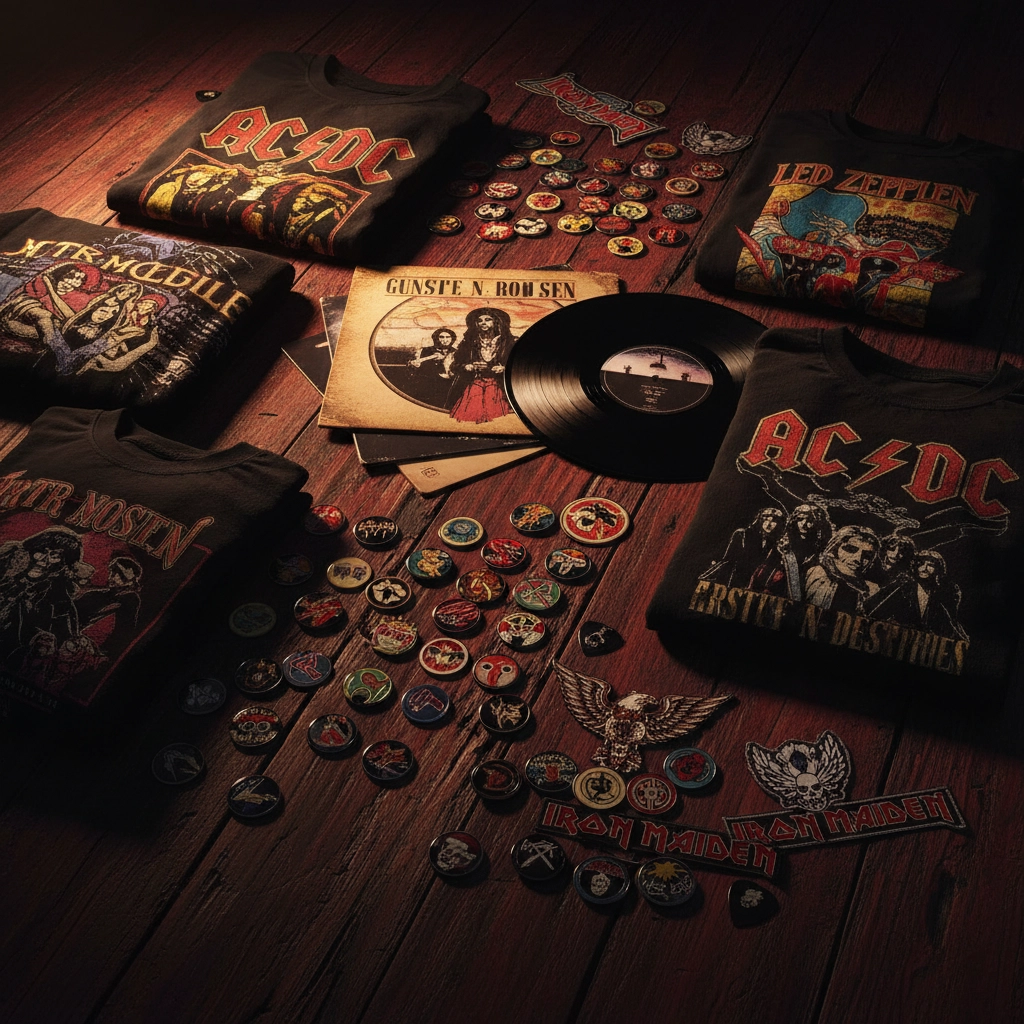
The key is working with retailers who understand the importance of official licensing and maintaining good relationships with artists and their management teams. This ensures authenticity and quality, and that artists are paid fairly via licensing royalties. If you want the absolute biggest share to reach the band, buying direct at venues is usually best – but buying from official stockists like us still meaningfully supports the artist and helps fight bootlegs.
The Bigger Picture
When Witch Fever mentioned that merch sales help pay their rent, they highlighted something fundamental about the modern music landscape. We're in an era where the traditional revenue streams – album sales, radio royalties – have largely evaporated. Streaming pays artists pennies, and getting radio play is harder than ever.
But merchandise? That's remained strong, even grown stronger. Fans want tangible connections to the music they love, and artists need sustainable revenue streams. It's a perfect match that benefits everyone involved.
Supporting small bands through official merchandise purchases isn't just nice to do – it's essential for a healthy, diverse music scene. Every time you buy that band t-shirt, hoodie, or patch, you're voting for the kind of music industry you want to see. One where artists can make a living from their craft, where creativity is rewarded, and where the connection between musicians and fans remains direct and meaningful.
The next time you're at a gig and the band mentions their merch table, remember: you're not just shopping. You're keeping music alive, one purchase at a time.