

The Ultimate Guide to Building Your Band Tee Collection: Everything You Need to Succeed
Building a killer band tee collection isn't just about grabbing every shirt you see at concerts or online. It's about creating something that tells your story, preserves music history, and gives you that perfect shirt for any occasion. Whether you're just starting out or looking to level up your existing collection, this guide will walk you through everything you need to know.
Why Band Tees Matter More Than You Think
Let's be real – band t-shirts are way more than just something to throw on when you're doing laundry. These shirts are like wearable time capsules. That faded Nirvana tee from 1993? It's not just fabric – it's a piece of music history. The tour dates on the back tell a story about where the band went, who they played for, and what was happening in music during that time.
Band tees also let you connect with other music lovers instantly. Wearing a vintage Joy Division shirt is like sending out a signal to fellow music fans – and trust me, the conversations that start from a cool band tee are always worth having.
Starting Your Collection: The Basics
Before you dive headfirst into buying every band shirt you can find, take a step back and think about what you actually want to collect. Are you drawn to specific genres? Do you want to focus on local bands or stick to the classics? Maybe you're all about that vintage vibe, or perhaps you prefer supporting current artists.
Your budget matters too. Authentic vintage band tees can range from £20 for a decent find at a charity shop to £200+ for rare, pristine pieces. Set a realistic budget and stick to it – trust me, it's easy to get carried away when you spot that perfect shirt.
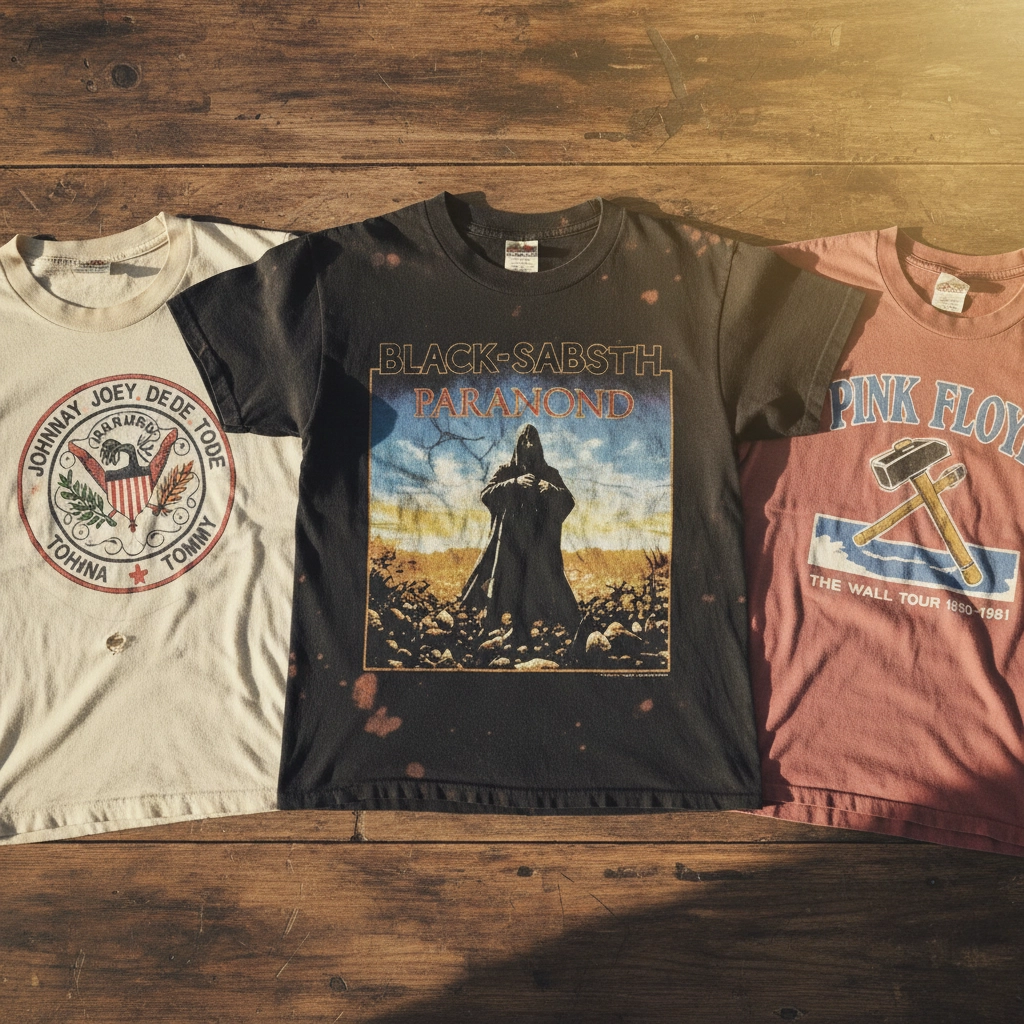
Spotting the Real Deal: Authentic vs. Reproduction
This is where things get interesting. The market is flooded with reproductions, and while some are perfectly fine for casual wear, knowing how to spot authentic vintage pieces is crucial if you want your collection to have real value.
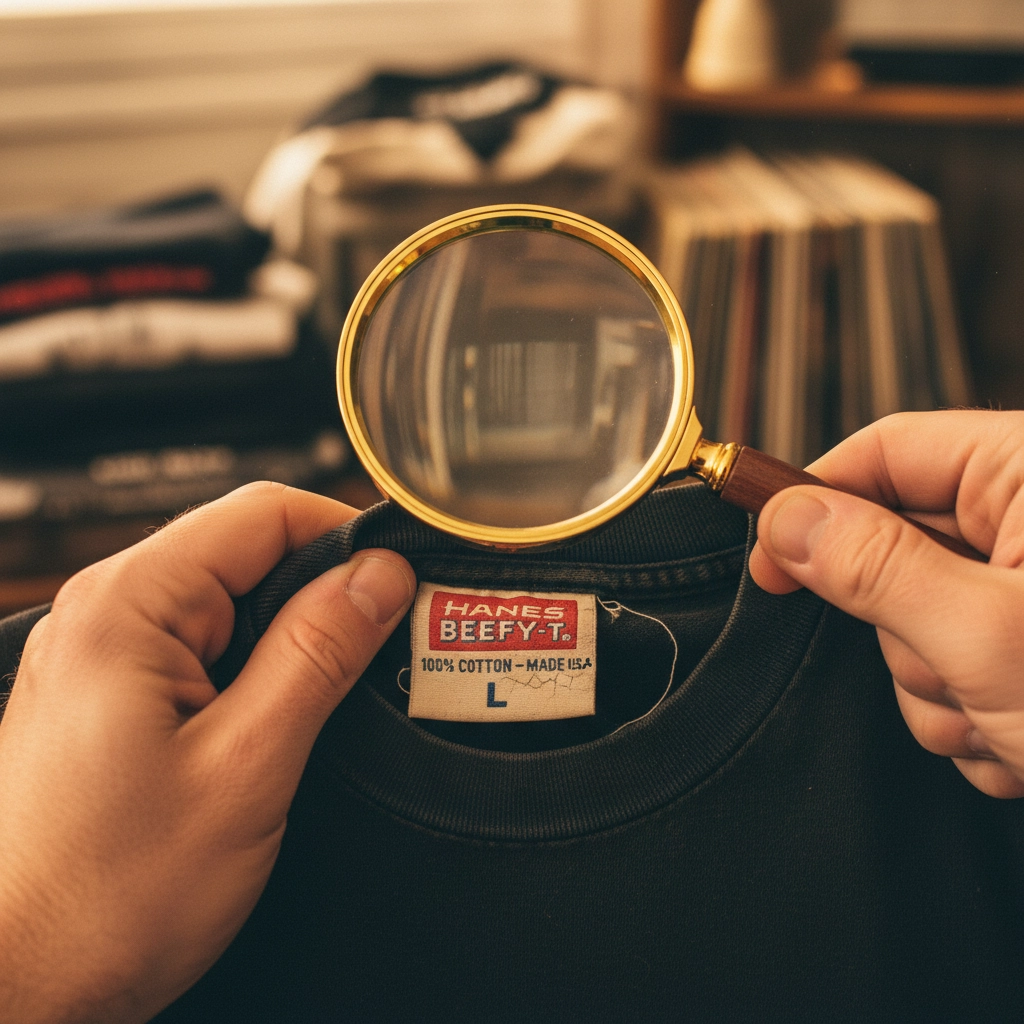
Check the Tags
Vintage shirts have distinctive tags that modern reproductions often miss. Look for old-school brands like Hanes Beefy-T, Fruit of the Loom, or Screen Stars. These tags have specific fonts, layouts, and even the way they're sewn into the shirt that's hard to replicate perfectly. If you see a "vintage" Metallica shirt with a modern Gildan tag, that's a dead giveaway it's a reproduction.
Feel the Fabric
Here's something most people don't know – vintage band tees were made from thicker, higher-quality cotton. When you handle an authentic vintage piece, it feels substantial and sturdy. Modern reproductions often use thinner, lighter materials to cut costs. The difference is noticeable once you know what to look for.
Examine the Printing
Vintage shirts used screen printing techniques that embedded the design into the fabric. Run your fingers over a genuine vintage print – you can actually feel where the ink has slightly raised the fabric. Modern heat transfers or digital prints tend to sit on top of the fabric or even crack and peel over time.
Look for Signs of Age
This might sound backwards, but authentic vintage shirts should show their age. Faded graphics, slightly cracked prints, and that perfectly worn-in softness are all good signs. Be wary of "vintage" shirts that look too perfect – they're likely reproductions.
Building Your Strategy: What to Buy and Where
Now that you know how to spot authentic pieces, let's talk strategy. The best collections have a mix of different types of shirts, so don't limit yourself to just one approach.
Mix Eras and Styles
Include shirts from different decades and musical movements. A 1970s Led Zeppelin tour shirt pairs perfectly with a 1990s grunge tee and a modern indie band shirt. This variety keeps your collection interesting and gives you options for different moods and occasions.
Where to Shop
-
Charity shops and car boot sales: These are goldmines for genuine finds at unbeatable prices. The staff often don't know what they have, so you might score a rare piece for a few quid.
-
Online marketplaces: eBay, Depop, and Vinted are great for specific searches, but be extra careful about authenticity. Always ask for detailed photos and don't be afraid to ask questions about the shirt's history.
-
Specialist vintage stores: These cost more, but you're paying for expertise. The staff usually know their stuff and can guarantee authenticity.
-
Record shops: Many independent record shops sell vintage band merch alongside vinyl. It's worth checking out, especially for local or underground bands.
Getting Organized: Storage and Inventory
Once you start accumulating shirts, organization becomes crucial. There's nothing worse than buying a duplicate because you forgot what you already owned, or worse, damaging a rare piece because it wasn't stored properly.
Digital Inventory
Create a simple spreadsheet or use an app to track your collection. Include details like the band, year (if known), where you bought it, and how much you paid. Take photos of each shirt and note any unique features or damage. This might seem over the top, but you'll thank yourself later.
Physical Storage
Store your most valuable pieces properly. Acid-free boxes or plastic storage containers work well for shirts you don't wear often. For everyday pieces, just make sure they're clean and dry before storing. Cedar balls or lavender sachets can help keep moths away – nothing ruins a collection like discovering holes in your favorite vintage tee.
Showing Off: Displaying Your Collection
A great collection deserves to be seen. How you display your band tees can turn them from hidden treasures into conversation starters and room features.
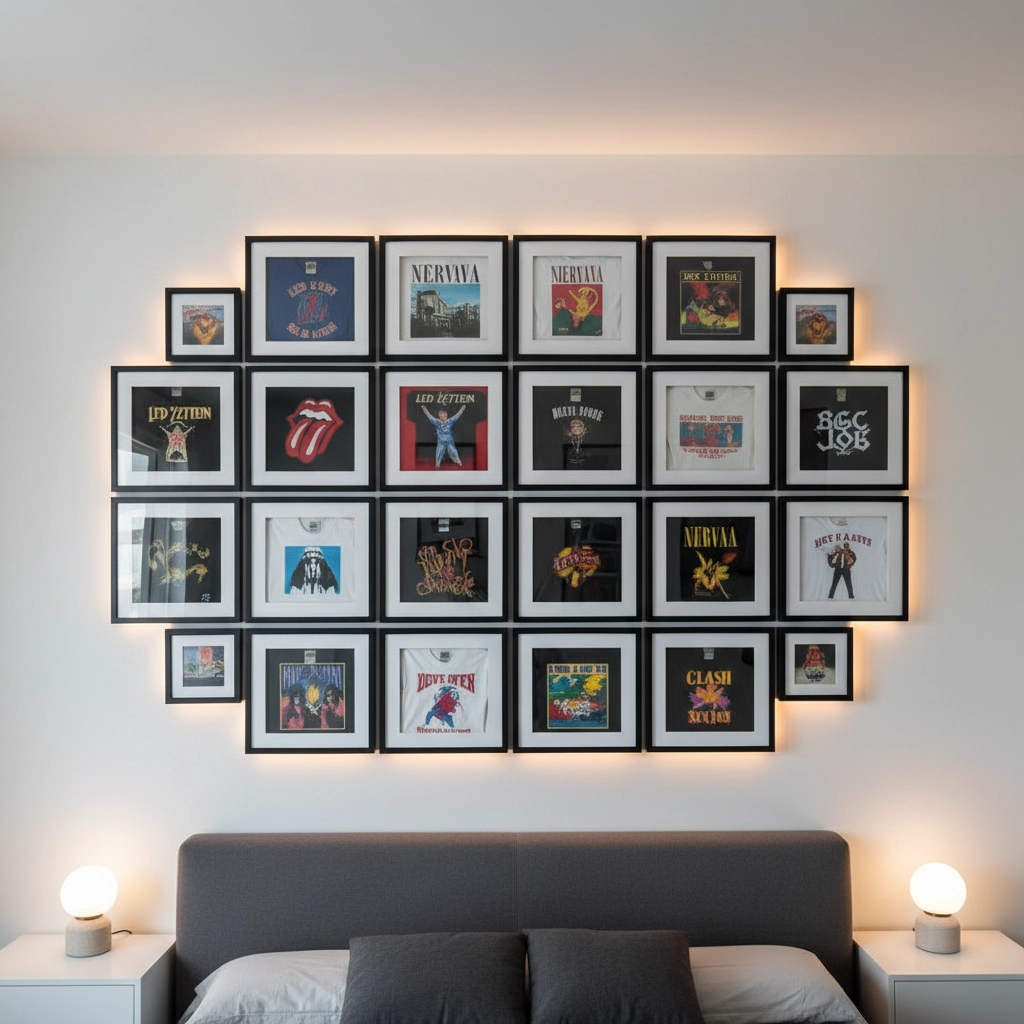
Wall Displays
Frame your most special pieces using UV-protective glass to prevent fading. Create a gallery wall mixing different sizes and eras for visual interest. Just remember to rotate the display occasionally – even with UV protection, constant light exposure isn't ideal for vintage fabrics.
Clothing Racks
A stylish clothing rack lets you display several shirts while keeping them easily accessible. This works particularly well if you have limited wall space or like to change up your display regularly.
Caring for Your Investment
Proper care ensures your band tees stay in good condition for years to come. This is especially important for vintage pieces that can't be replaced.
Washing Tips
Turn vintage shirts inside out before washing and use cold water only. Skip the fabric softener – it can break down the fibers and cause prints to fade. Air dry everything; heat from the dryer can cause shrinkage and damage to prints.
Handling with Care
When wearing vintage pieces, be mindful of sharp jewelry or rough surfaces that might snag the fabric. It's also worth having a "special occasion only" category for your rarest pieces.
Making It Personal
The best band tee collections tell a story about the collector. Maybe yours focuses on bands from your hometown, or perhaps you're drawn to albums that got you through tough times. Don't feel pressured to collect what others think is "cool" – collect what speaks to you.
Consider including shirts from smaller, local bands alongside the classics. These pieces often have great stories behind them and help support the music community. Plus, they're conversation starters that bigger bands' shirts might not be.
Your Collection Journey
Building a band tee collection is a marathon, not a sprint. Take your time, enjoy the hunt, and don't stress about having the "perfect" collection. The shirts you'll treasure most are often the ones with the best stories – the vintage find from a random charity shop, the shirt from an amazing gig you attended, or the rare piece you finally tracked down after months of searching.
Remember, every collection is unique because every collector is unique. Your band tee collection should reflect your musical journey, your discoveries, and your personal style. Whether you end up with 20 carefully curated pieces or 200 diverse finds, what matters is that each shirt means something to you.
Start with what you love, learn as you go, and enjoy the process. Before you know it, you'll have a collection that's not just a wardrobe addition, but a wearable autobiography of your relationship with music.